Engineering carbon for the next generation of batteries.

We design and make advanced carbons for energy storage: activated carbon for ultracapacitors, lithium-carbon cells and hard carbon for sodium-ion. Developed and built in our roll-to-roll labs in Basingstoke.

One carbon platform, tuned for power, energy or both.

Batteries store a lot of energy but deliver it slowly. Ultracapacitors deliver power instantly but store little. Our carbons push both technologies further and fill the gap between them.

Power density against energy density Log-log chart. Allotrope ultracapacitors sit above typical commercial ultracapacitors at 12 to 14 watt-hours and 35 to 50 kilowatts per kilogram. Lead-acid, NiMH, sodium-ion, LTO, LFP, NMC and NCA batteries are shown in light grey, clustered at higher energy and lower power. A highlighted void, the power gap, lies between ultracapacitors and lithium-ion where almost no commercial technology exists; Allotrope lithium-carbon sits inside it at around 45 watt-hours and 12 kilowatts per kilogram. 1 10 100 1,000 100 10 1 0.1 Energy density (Wh/kg) · stores more Power density (kW/kg) · delivers faster Lead-acid NiMH LTO LFP Sodium-ion NMC NCA The power gap Typical ultracapacitors Lithium-carbon Allotrope ultracapacitor
Allotrope positions from our cell datasheets. Grey areas show typical commercial cells and are indicative.
  • The power gapBetween ultracapacitors and lithium-ion, almost nothing exists. Lithium-carbon fills it.
  • Activated carbon for ultracapacitorsTwice the energy density of today’s commercial EDLCs.
  • Lithium-carbonA battery’s energy with ultracapacitor power.
  • Hard carbon for sodium-ionLignavolt-HC1300: over 360 mAh/g and 91% first-cycle efficiency.

What we make

Carbon has long been overlooked in battery development. It is fast becoming a necessity. Each of our materials starts from the same engineering-class carbon, tailored to the job.

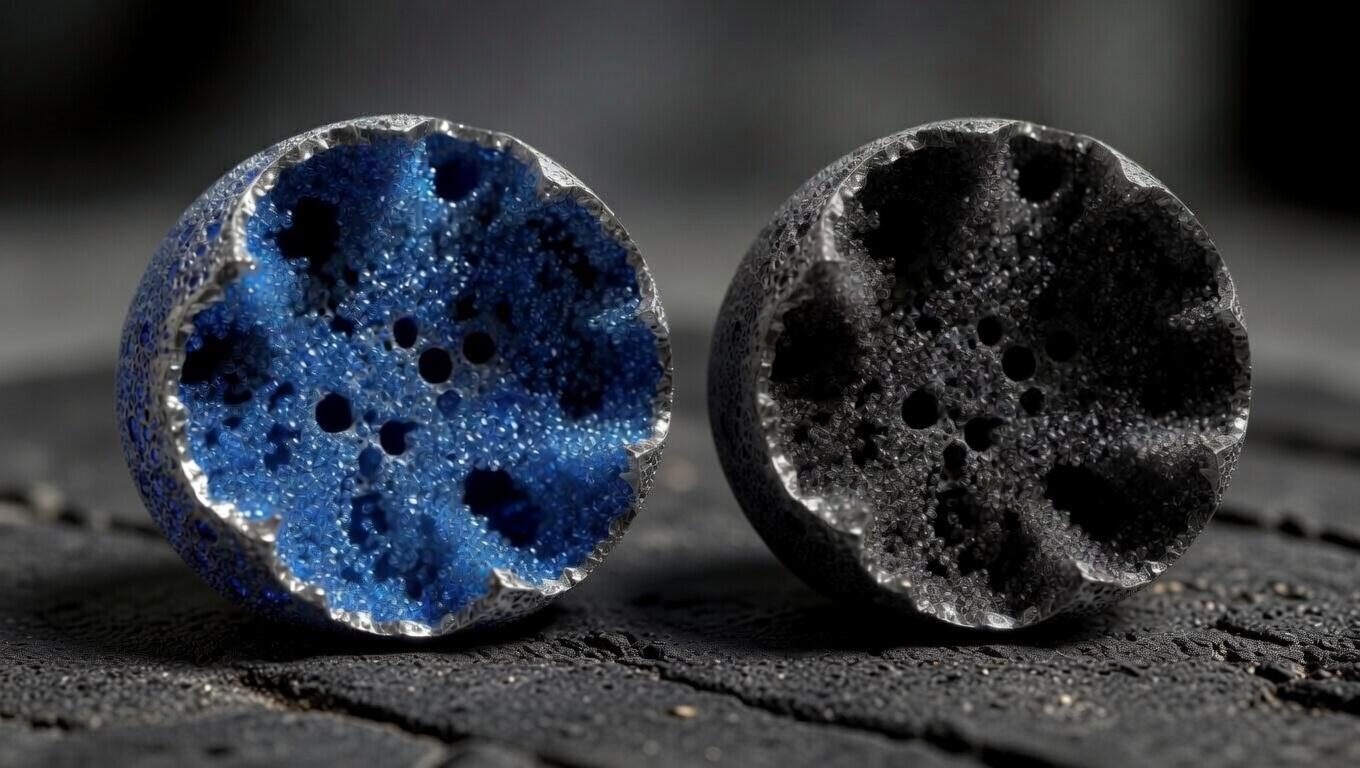
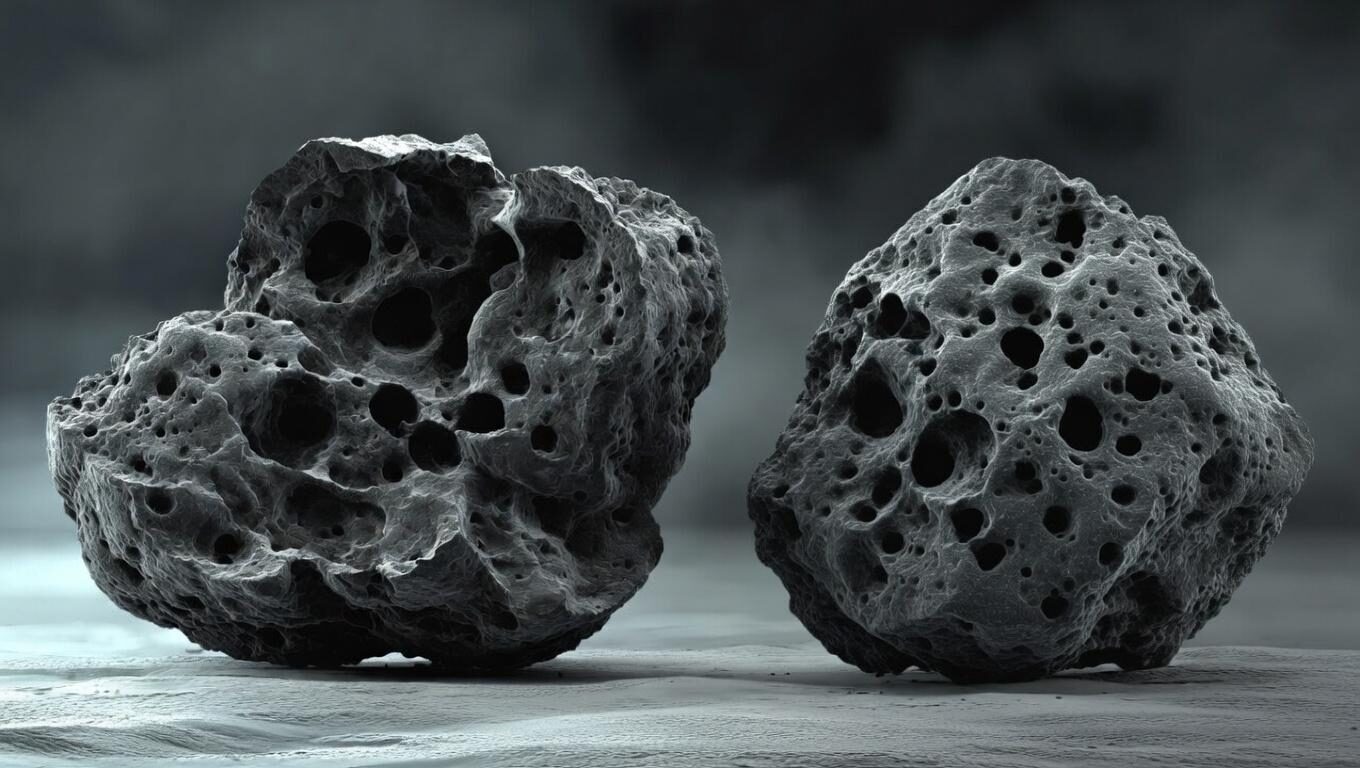
Rendering of porous activated carbon particles

EDLC / ultracapacitor

Activated carbon that doubles ultracapacitor energy

At the heart of every ultracapacitor is high surface area carbon. The industry has had no clear leader and little technical progress in fifteen years. Our carbon nano-sponge has doubled cell energy density, with a 60F cell demonstrated at over 12 Wh/kg, while bringing cost down.

With a time constant below 0.3 seconds, our cells deliver full power almost instantly. That is exactly what data centres need to absorb the rapid load swings of AI and GPU clusters and to bridge the moments before backup power takes over.

Energy density
12–14 Wh/kg
Time constant
<0.3 s
Power density
35–50 kW/kg
Lifetime
1,000,000 cycles
Working range
−45 to +70 °C
Capacitance
250–2,000 F
Built for data-centre power smoothing
Rendering of a lithium-carbon cell cross-section

Lithium-carbon (lithium-ion capacitor)

The missing link between batteries and ultracapacitors

Our composite anodes are so quick that only ultracapacitor carbon can keep pace on the cathode. Pair them and you get lithium-carbon: charge and discharge rates beyond 100C, passive cooling and a wide temperature range with almost no loss in performance.

First proposed in 2001, the chemistry stalled for want of the right nano-carbon. We are the first group with a commercially viable lithium-carbon technology, aimed at hybrid vehicles, micro-transport, heavy industry, ultra-fast charging devices and grid stabilisation.

Energy density
42–48 Wh/kg
Power density
11–12 kW/kg
Lifetime
100,000 cycles
Working range
−35 to +70 °C
Cell capacity
1–8 Ah
Surge current
up to 2,000 A
TRL 4, moving to TRL 5 · independently tested
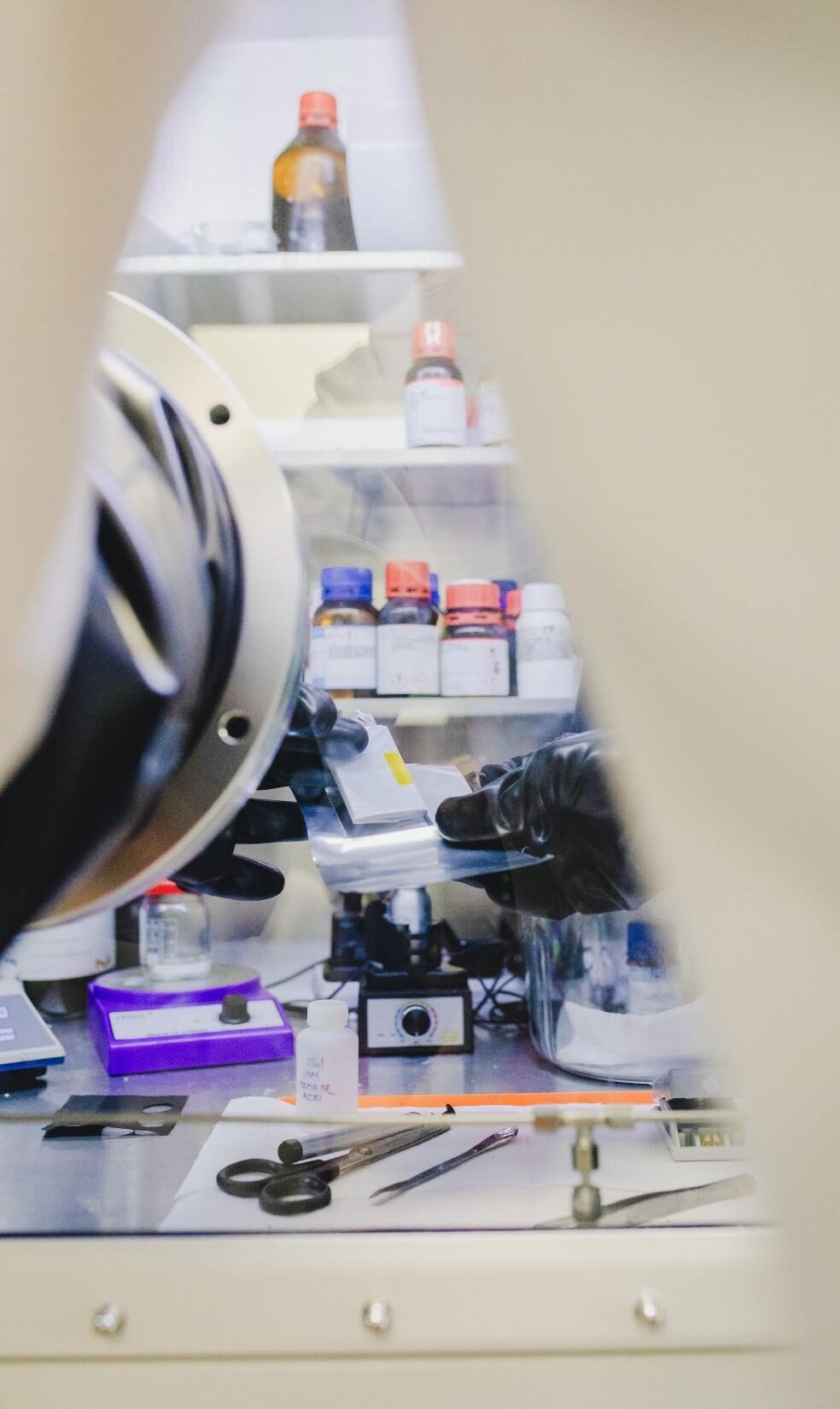
Electrode preparation inside a glovebox in the Allotrope lab

Hard carbon anode for sodium-ion

Lignavolt-HC1300: sodium-ion, without lithium’s compromises

The battery industry is diversifying away from lithium. Sodium-ion is lithium-ion’s close relative, without the same exposure to cost, safety, supply chain or temperature problems, and its performance rests on the hard carbon in the anode.

Lignavolt-HC1300 is our hard carbon anode, made from a high-purity precursor. It pairs high first-cycle efficiency with long-term structural stability, matching leading global suppliers on performance while offering a more secure supply chain.

Reversible capacity
>360 mAh/g
First-cycle efficiency
>91 %
Capacity retention
>80 % @ 2,000 cycles
Rate capability
95 % @ 1C
Plateau capacity
66 %
Carbon purity
>99.7 %

Target specifications for developmental material, measured in half-cell vs Na/Na⁺ at 25 °C. Qualification samples available under NDA.

Download the Lignavolt-HC1300 data sheet PDF, 360 KB

Where it’s used

Applications our partners are developing and evaluating today.

  • Data centresSmoothing the fast load swings of AI and GPU clusters, and bridging to backup power.Ultracapacitor
  • Hybrid and off-highway vehiclesHigh-power energy recovery and boost in demanding duty cycles.Lithium-carbon
  • Micro-mobilityUltra-fast charging for mopeds, delivery vehicles and wheelchairs.Lithium-carbon
  • Grid stabilisationRapid response with very long cycle life.Ultracapacitor · Lithium-carbon
  • Stationary and EV storageA lower-cost, lithium-free anode for sodium-ion cells.Hard carbon

From lab to line

In 2022, one of the world’s largest natural raw-material suppliers commissioned us to bridge the gap between their feedstock and the battery sector. The brief was simple: turn it into the most advanced battery carbons available.

  1. 2020–22
    • $0.75m pre-seed raise; core technology completed
    • Commissioned by a global raw-material supplier
  2. 2023–24
    • $1.8m seed investment
    • Prototype production line installed
    • Lithium-carbon demonstrated
  3. 2025
    • Carbon nano-sponge doubles ultracapacitor energy density
    • Composite electrode co-developed with a partner
  4. 2026
    • Lithium-carbon developed for an off-highway vehicle
    • End users reviewing cell performance
TRL 4 → TRL 520-layer pouch cells, scaling to industrial cell formats
Independently verifiedCells tested by an independent third party
Simple to scaleClass-leading performance and cost on a roll-to-roll process

About Allotrope

Allotrope Energy is a battery materials development group in the South East of England. Our innovation is a new generation of engineering-class carbon.

Carbon is a powerful ally in next-generation battery technology. Historically overlooked, it is increasingly a necessity in advanced battery development, and we intend to stay a step ahead.

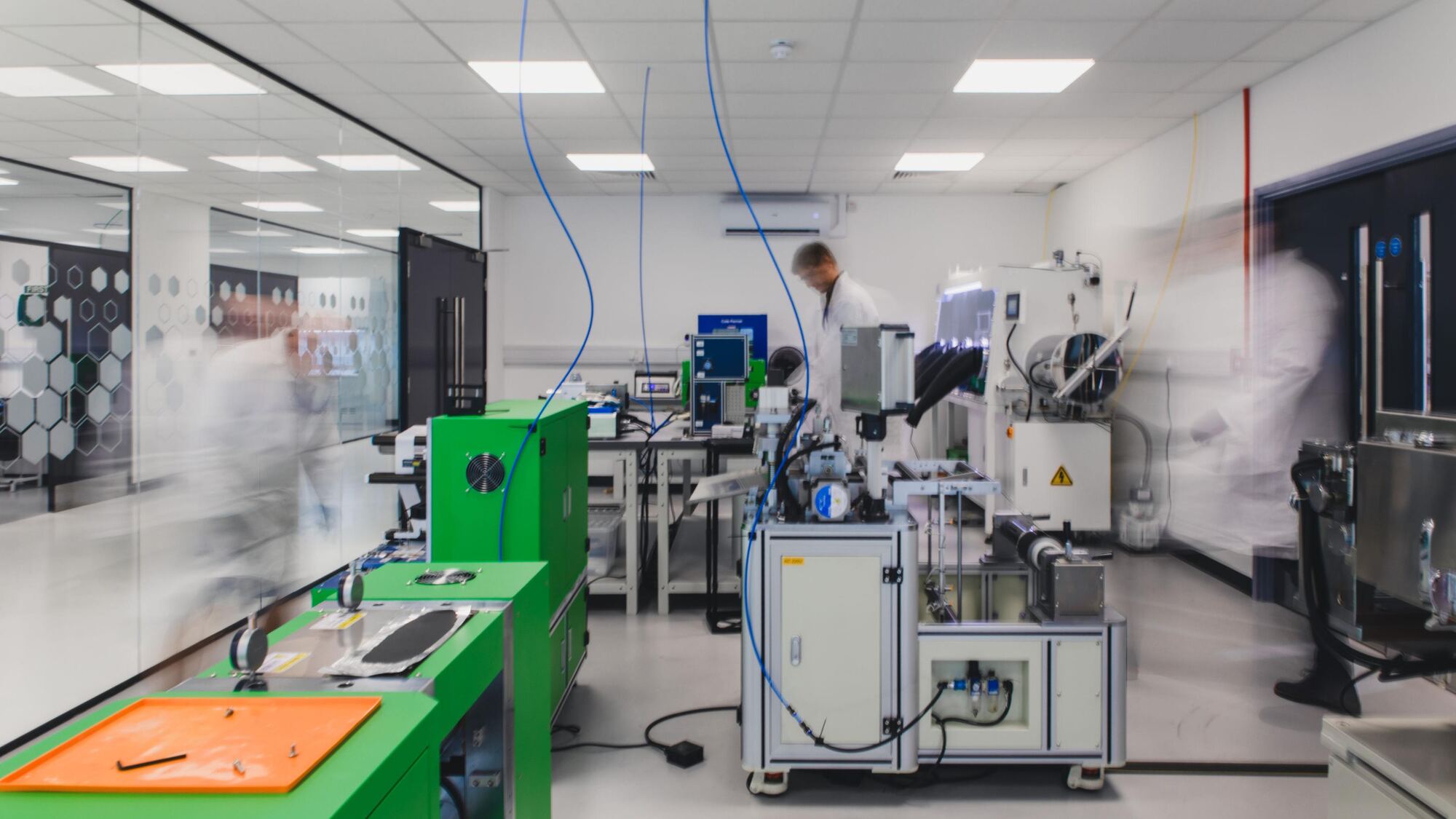
Our full-stack, roll-to-roll labs take materials from batch development through to prototype cells under one roof, so partners can see results in real cells, not just powders.

  • Guided by entrepreneurs with 8-figure exits and 9-figure IPOs
  • Backed by an investment group with business and commercial expertise
  • PhD scientists, advised by world-renowned experts in their fields
  • Technology proven and independently verified
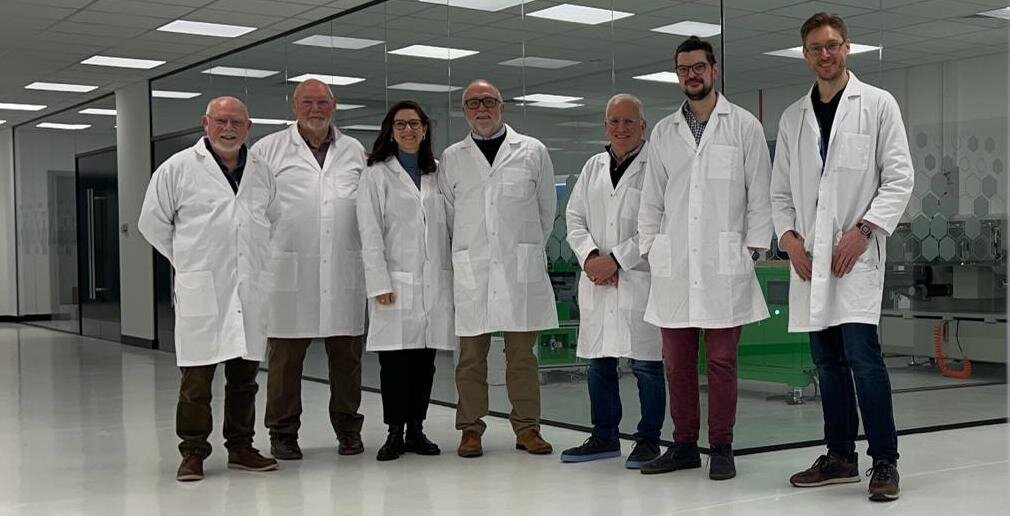
The Allotrope Energy team in lab coats in the Basingstoke laboratory
The Allotrope team at our Basingstoke labs
Allotrope's roll-to-roll development laboratory with coating and cell assembly equipment

Arrange a chat

Tell us what you’re building and what it needs to do. Whether you’re a start-up or a global manufacturer, working with us follows the same simple path.

  1. TalkA short call about your application and targets.
  2. EvaluateSamples and data under NDA for your own testing.
  3. DevelopJoint development to tune the carbon or cell to your needs.
  4. ScaleSupply agreements as you move towards production.

info@allotrope.energy

+44 (0)1483 355 009

Hatch Industrial Park
Basingstoke RG24 7NG
United Kingdom

We only use your details to reply to this enquiry.